


Published: 20.03.2026
Updated: 25.03.2026
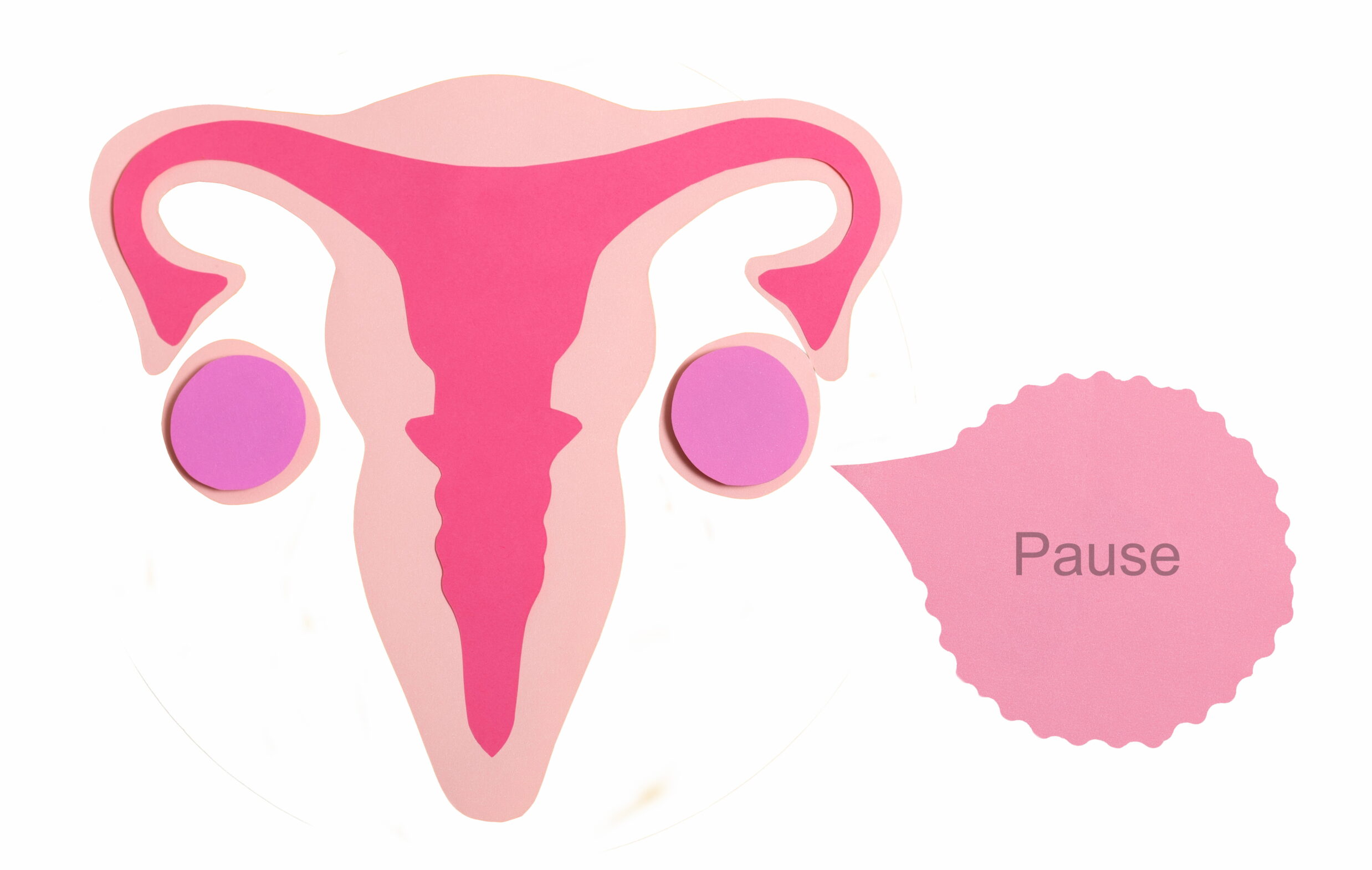
Some women imagine menopause as a single day when everything drops. But it is a transition that can take years, where menopause and hormone levels change unevenly. Women are considered in menopause only after 12 months without a period (when there is no other clear cause), but the hormone shifts that drive symptoms often start earlier, during perimenopause. In this article, we’ll break down the hormones of menopause in plain language.
 Hormones are substances your body makes to control how different organs work together. They are produced by endocrine glands (such as the pituitary, thyroid, adrenal glands, pancreas, and ovaries) and released into the blood. From there, they act on specific tissues and help regulate energy use, temperature control, sleep, stress response, and reproduction. A tissue responds only if its cells have the right receptors for that hormone, so the same hormone has strong effects in one place and mild effects elsewhere.
This matters for menopause because symptoms come from where the hormone change is felt most: the brain’s temperature regulation (hot flashes), sleep regulation, the vagina and urinary tract (dryness, irritation), and the skin and bone turnover. The impact shows up in many different systems, even when the underlying change is just lower estrogen over time.
Menopause is the point when menstrual periods have stopped for 12 straight months, and there isn’t another obvious medical reason for the change. It’s diagnosed looking back, after that full year without a period.
The years leading up to it are called perimenopause (the menopause transition). That’s when women first notice symptoms and cycle changes, because menopause hormone levels swing a lot before they settle lower long-term.
Most women reach menopause between about 45 and 55, and the average age is around 51 in the U.S. It can also happen earlier (including before 40) or can be induced by surgery or certain medical treatments.
Hormonal changes happen during menopause because the ovaries gradually stop running predictable monthly cycles. Ovulation becomes less predictable as the pool of active follicles shrinks, so progesterone stops showing up reliably, and estrogen starts to swing.
The brain tries to compensate for a while. It sends strong signals to the ovaries (FSH rises) to push them to respond, which is one reason menopause and hormone levels look inconsistent from month to month during perimenopause.
After the final menstrual period, the system settles into a new baseline: ovarian estrogen remains low long-term, and brain signals remain elevated because the usual feedback loop is no longer present.
 During perimenopause, some months ovaries still produce a decent amount of hormones, other months, much less. That’s why menopause and hormone levels look inconsistent and why symptoms may come and go. Here’s what typically changes in the hormones at menopause:
Menopausal hormone levels are hard to summarize: some fluctuate, some drop early, and others barely change.
Most menopause symptoms start in perimenopause. They include:
The emotional side is real and underplayed. A lot of women describe a mix of irritability, anxiety, and feeling less mentally sharp, especially when sleep has been poor for weeks. Forgetfulness and trouble concentrating are also commonly mentioned during the transition. Many women also notice that weight becomes easy to gain and hard to lose in midlife. When stress starts to feel like it’s running the whole experience, some of our readers look for Nanopep’s StressFoll.
The ovaries follow a repeating rhythm. They mature an egg, ovulation happens, and hormone levels at menopause rise and fall in a familiar pattern. But in the years before menopause, the rhythm becomes less reliable, and hormonal changes happen due to these reasons:
Not every change in midlife is caused just by menopause. Sleep, stress, activity level, and normal aging also amplify symptoms. Because so much of this transition starts in the ovaries, women who want to explore Nanopep’s women’s health line more deeply start with the ovary peptide products.
If you are over 45 and have typical menopause symptoms and cycle changes, clinicians will diagnose perimenopause/menopause mainly from your history. Hormones swing during the transition, so a single number creates confusion.
 Hormone tests are used for a specific reason:
If you are under 40 and have menopause-like symptoms, it is a different clinical situation (possible primary ovarian insufficiency). In this setting, hormone testing is part of the workup and needs repeat testing over time.
If you’re having hot flashes or sleep issues and you want relief options, this is a valid reason to talk to a clinician. You don’t need to earn care by suffering longer, and it’s especially important to consult if any of the following apply:
Tests make sense when the result will change the plan. Otherwise, tracking symptoms, bleeding patterns, sleep, and what actually improves your quality of life is the most reliable monitoring.
You can’t prevent menopause hormones from changing, but you can make the transition easier to live with:
If you try the basics and symptoms still run your life, that’s the point to discuss medical options (hormone therapy or nonhormone treatments) with a clinician.
Menopause is the point when hormone levels stop following a monthly cycle and settle into a more stable baseline. The hardest part for many women is the transition period, when symptoms come and go, and sleep is often the first thing to suffer.
Don’t wait until symptoms become extreme. If hot flashes, night sweats, low mood, or vaginal discomfort are affecting daily life, a clinician will help you choose a plan that fits your health history and goals. If you want to explore Nanopep’s broader catalog while staying within women’s health topics, start from our products page.




Epitalon Peptide Benefits for Sleep, Longevity, and Cellular Balance
Read
What Is Good for Eye Health and Vision?
Read
Hormonal Changes During Pregnancy: What Happens and Why
Read
KHAVINSON PEPTIDES® TECHNOLOGY AND NANOPEP®
Read
Pregnancy, the Postpartum Period, and Menopause
Read
Vision: How It Works and Visual Acuity
Read


