


Published: 23.01.2026
Updated: 19.02.2026

Melatonin is a hormone naturally produced by the body. Its genesis occurs in the pineal gland in response to light. It signals that it’s high time to sleep or get awakened. In this way, melatonin directly regulates a circadian rhythm and helps an individual get prepared for vital restoration of the body, from brain function to immune strength, during sleep. During wakefulness, low melatonin levels allow for daytime energy.
It is crucial to have the mechanism of natural melatonin production working properly, which is not always possible due to sleep-wake cycles interrupted by health issues or lifestyle factors, like long-distance flights and jet lag. Some people use melatonin supplements for a short term to fix the problem. Others restore a natural sleep schedule and adjust their nutrition. Nanopep offers dietary supplements formulated to support healthy pineal gland function and circadian rhythm balance, including Epitalon Spray and EPITIDE.

Melatonin was isolated in 1958, and it is now known that melatonin-like molecules are found across many living organisms. In humans, melatonin is produced primarily by the pineal gland, a small endocrine gland located deep within the brain. It is synthesized from serotonin, which is derived from the amino acid tryptophan.
Melatonin’s key role is to support the internal biological clock—the circadian rhythm—helping the body maintain a stable sleep-wake schedule.
Circadian rhythm is an internal cycle that repeats approximately every 24 hours and is influenced by light exposure. In bright light, melatonin production decreases, while in darkness it increases, contributing to a feeling of sleepiness. Seasonal changes, nighttime light exposure, and individual differences can all influence melatonin patterns.
Melatonin production is strongly influenced by light signals from the eyes. When it becomes dark, information from the retina is transmitted through neural pathways to the brain’s circadian center (the suprachiasmatic nucleus). This system supports the pineal gland’s nighttime production of melatonin. As melatonin rises, the body naturally shifts toward rest: body temperature may decrease slightly, and relaxation processes are promoted.
Melatonin is also widely studied for its antioxidant properties and its role in supporting the body’s response to oxidative stress. Healthy sleep supported by circadian rhythm alignment is important for mood balance, immune resilience, and healthy aging.
However, melatonin is not a cure for medical conditions. If a person experiences persistent insomnia, severe fatigue, or significant mood changes, it is important to identify and address the underlying cause with a healthcare professional.
Melatonin can be evaluated using:
Testing protocols and reference ranges vary by laboratory and method. If testing is planned, consult a healthcare professional for appropriate guidance.
Melatonin levels vary based on age, sex, time of day, and testing method. In general, melatonin production is higher in childhood, gradually declines after puberty, and may decrease further with aging. Because laboratory ranges vary, results should be interpreted by a healthcare professional rather than compared to a single universal reference range.
Sleep-wake disorders commonly result in circadian rhythm disorders or melatonin dysregulation. It happens when a person experiences jet lag, stress, is involved in any late-night activities, works a night shift, spends nights in front of a computer, suffers from medical conditions, or anything that interrupts a natural sleep schedule. To prevent the melatonin issues, people should:
Does melatonin work in small doses? The dose is individual. Typically, lower doses of melatonin are useful, but it is better to follow a healthcare professional’s advice or the information from the manufacturer of the product. Higher doses are not always better and may increase the risk of side effects.
Melatonin as a supplement is well-tolerated and safe for short-term use. It can support sleep onset and circadian adjustment (for example, during jet lag). They are not intended as a long-term solution for chronic insomnia. If sleep issues persist, it is important to consult a physician to evaluate contributing factors.
Some people also choose dietary supplements formulated to support healthy pineal gland function. For example, Nanopep’s EPITIDE is formulated to support pineal gland wellness and circadian rhythm balance. As with any supplement, consult a healthcare professional before use, especially if you take medications or have a medical condition.

Melatonin supplements are not approved to prevent or treat COVID-19. Sleep quality is important for immune function, and maintaining healthy circadian rhythms may support overall wellbeing. If you have concerns about infections or immune health, consult a healthcare professional.
Pregnant and breastfeeding individuals should consult a healthcare professional before using melatonin or any supplement. While melatonin is naturally present in the body, supplementation during pregnancy should be approached cautiously and only under medical guidance.

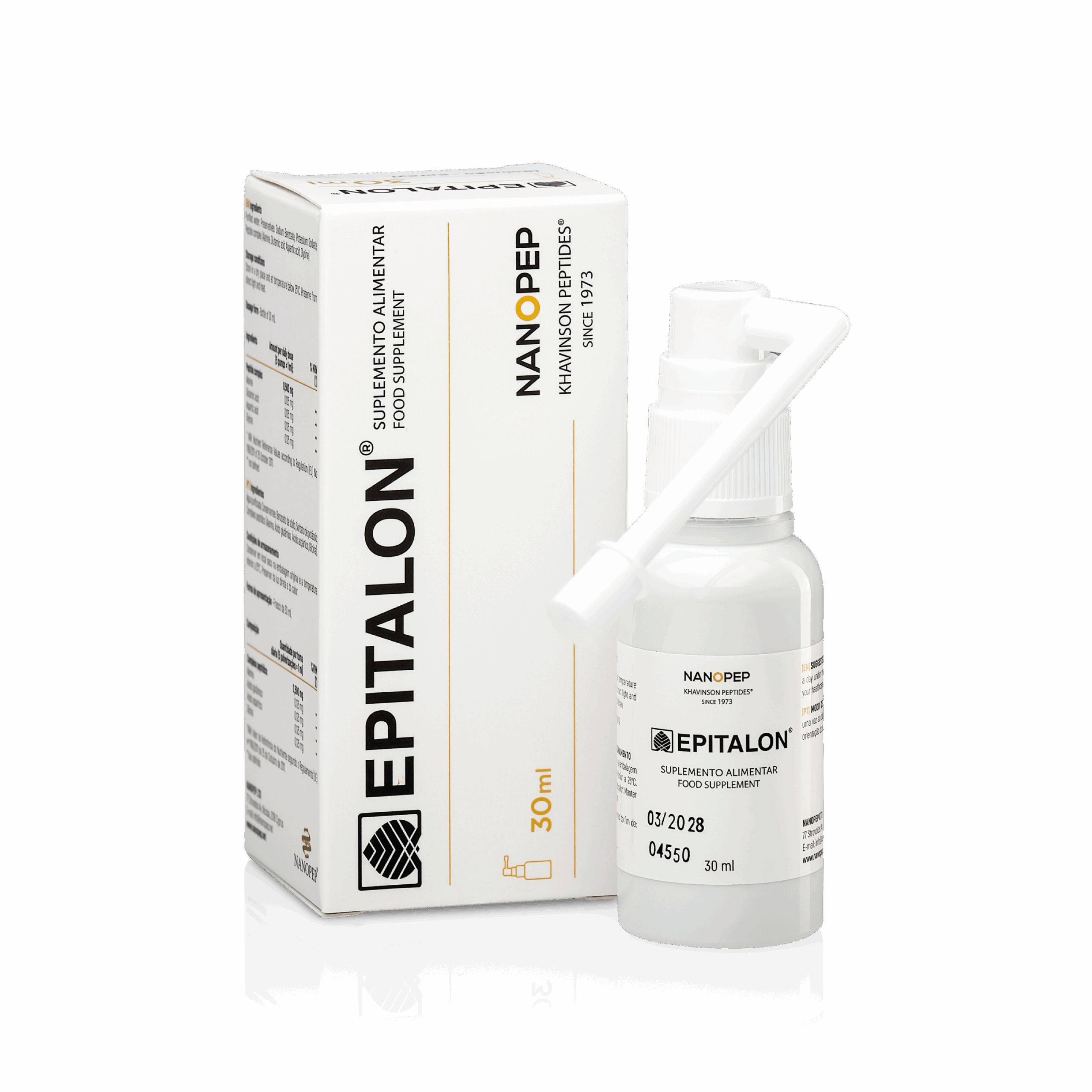


Epitalon Peptide Benefits for Sleep, Longevity, and Cellular Balance
Read
What Is Good for Eye Health and Vision?
Read
How Hormones Change During Menopause
Read
Hormonal Changes During Pregnancy: What Happens and Why
Read
KHAVINSON PEPTIDES® TECHNOLOGY AND NANOPEP®
Read
Pregnancy, the Postpartum Period, and Menopause
Read


