


Published: 23.01.2026
Updated: 19.02.2026
Vision is the ability to observe the surroundings. People perceive the environment around them and learn about the world through their senses, including physical sight. The vision definition does not include sharp clarity. There is another term, visual acuity, which is normal if a person clearly sees fine elements and can recognize objects at a significant distance. When there are vision issues, people can hardly cope with their daily routine without external help.
To support long-term eye health, it is important to follow healthy lifestyle habits and schedule regular eye exams. Some people also consider dietary supplements as part of a comprehensive wellness approach. Nanopep offers the NATURA SANAT Vision Health Formula, developed to support retinal health and overall visual function.
The visual system enables people to read, write, drive, cook, and enjoy entertainment and nature. To ensure independent activities and a full perception of the world, adults who have no abnormalities or vision problems should examine their eyes every 1-2 years. A regular check-up is needed even without previous vision issues and symptoms, as some conditions can develop without obvious manifestation in the early stages.
To test eyesight, a special chart is used. It is known as a Snellen chart that consists of symbols, including letters, arranged in 11 lines, becoming smaller down the chart. A person should stand 20 feet away, cover one eye, and read symbols in the lowest line with the smallest characters. If he finds it difficult to distinguish, he should try to read larger symbols. When no mistakes are made, visual acuity is measured.
For instance, when there is -2.75 vision or -3.75 vision, a doctor diagnoses mild to moderate myopia, when a patient can sharply see closely located objects. While the objects in the distance are not distinctive. It is easily corrected with glasses. If you ask. “What are visions carrying a higher risk?” We’d say that -4.5 vision causes more restrictions, as such a patient is not able to drive or read signboards in the streets.
Eye vision is a complex process arranged by the eyes and brain. Eyes capture the light that is coming from any source, like sunrays, reaching objects (obstacles), and reflecting off them. The eye is protected by the sclera, under which there is a middle vascular layer with blood vessels and the iris. Behind the iris, there is a curved lens. On the inner layer of the eye, there is the retina. Its function is to convert light into nerve signals, which are transmitted by the optic nerve to the brain. The brain easily interprets the image if it is sharp, which is provided by the lens that focuses the light onto the retina to create a focal point. Decoding of a visual image occurs in the occipital lobe at the back of the brain.
Vision is also closely connected to circadian rhythms. Light exposure through the eyes helps the brain regulate the sleep-wake cycle, which can influence energy, mood, and overall wellbeing. Maintaining healthy light habits—such as daylight exposure in the morning and limiting bright screens before bed—can support these natural rhythms.
Vision is the result of coordination between several systems that detect light, convert it into signals, and interpret it as an image. Key components include:
It is important not to ignore sudden or severe vision changes. Several conditions can affect vision, including:
Systemic diseases, including high blood pressure and diabetes, and the intake of some medications can cause the development of eye problems, like diabetic retinopathy.
If you experience symptoms such as eye pain, blurred vision, flashes of light, new floaters, partial or temporary vision loss, or severe headaches with visual changes, seek urgent evaluation by an eye care professional.
Eye health can be supported by food, especially when risk factors are present. Some people choose dietary supplements to support retinal function and general visual wellness. Nanopep’s NATURA SANAT Vision Health Formula is designed to support healthy visual function. As with any supplement, it is essential to consult a physician before use—particularly if you have a diagnosed eye condition or take medications.

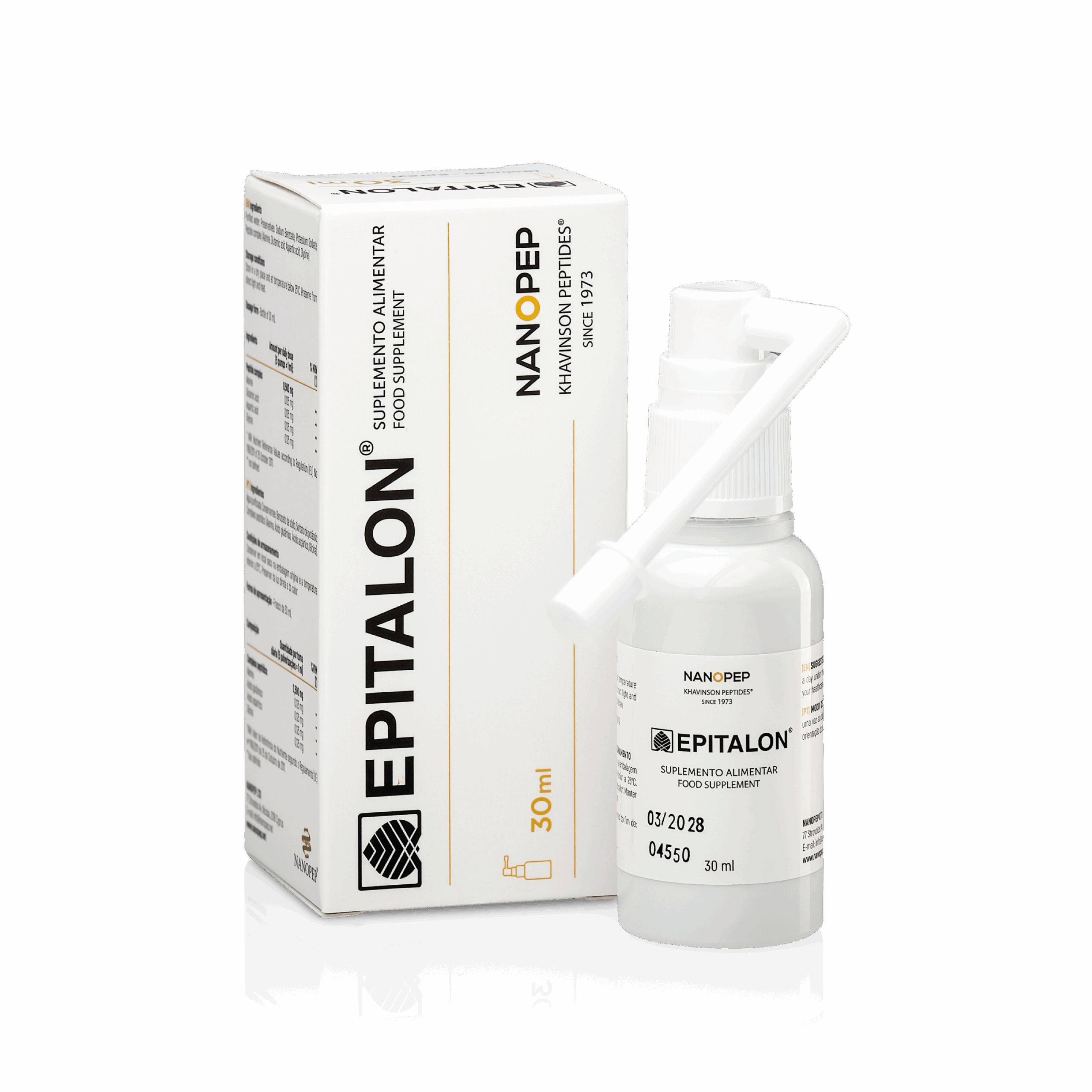


Epitalon Peptide Benefits for Sleep, Longevity, and Cellular Balance
Read
What Is Good for Eye Health and Vision?
Read
How Hormones Change During Menopause
Read
Hormonal Changes During Pregnancy: What Happens and Why
Read
KHAVINSON PEPTIDES® TECHNOLOGY AND NANOPEP®
Read
Pregnancy, the Postpartum Period, and Menopause
Read


