


Published: 20.03.2026
Updated: 25.03.2026

Most people think about vision only when something starts to blur, ache, or feel off. The problem is that a lot of eye conditions develop quietly at first, so waiting for obvious symptoms isn’t a great strategy. If you want to know what is good for eye vision, we’ll walk you through a few important basics.

Eye health matters because vision problems affect safety, learning, work, driving, and overall independence. Globally, at least 2.2 billion people live with near or distance vision impairment, and for at least 1 billion people, it could have been prevented or hasn’t been addressed yet. In other words, a big share of vision loss is not inevitable.
Eye health connects to whole-body health. During an eye exam, clinicians spot signs that suggest issues like diabetes or high blood pressure, which is another reason not to treat eye care as optional if you feel fine.
Some vision changes are part of getting older. A common one is presbyopia (the natural lens inside the eye becomes less flexible, so reading small text at a normal distance gets harder), which many people notice after about 40. The quiet eye problems also become more common with age, and they start without obvious symptoms. For adults 40+, major concerns include cataract, glaucoma, age-related macular degeneration, and diabetic retinopathy. If vision changes are sudden, one-sided, painful, or keep returning, it’s a good reason to get checked by your clinician.
When people search for what is good for the eyes, they want a short list and a clear result. But your eyes benefit from the same eating pattern that supports blood vessels and nerves everywhere else. You just need to eat some foods regularly.
Remember that diet supports eye health, but it won’t upgrade eyesight overnight. If your blur is from needing glasses, food won’t replace an eye exam.
Along with food, daily habits also decide whether your eyes stay comfortable and problems get caught early.
Some eye diseases start without obvious symptoms, and a comprehensive dilated eye exam is how clinicians find issues early, when treatment can best protect vision.
 A practical baseline many eye-care groups use is about every 2 years for healthy, low-risk adults and more often if you have risk factors:
If vision changes are new, one-sided, painful, sudden, or keep returning, that’s not something to diagnose with guesswork.
Remember about screen time management. Screens usually don’t damage the eyes on their own, but cause a lot of discomfort because you blink less. People normally blink around 15 times a minute, but the rate drops significantly during screen use and close work.
What helps isn’t complicated, but it has to be consistent:
A lot of long-term vision problems are also linked to conditions that affect blood vessels and nerves, but regular physical activity supports healthy blood sugar and blood pressure over time, which is also part of how to increase eye health. And if you smoke, quitting is one of the strongest steps you can take for your eyes.
Most eye problems people deal with fall into two groups: first make your eyes feel tired, dry, itchy, or red; second are the slow conditions that quietly affect vision over time:
Some conditions develop without obvious early symptoms. Don’t wait if you have sudden vision loss, severe eye pain, a new curtain/shadow in vision, a sudden burst of new flashes/floaters, or a painful red eye with contact lenses. These patterns are same-day situations, so bring them up to your clinician immediately.
Most supplements are either meant for a very specific diagnosis or just a general multivitamin with eye-themed marketing. Before you buy anything, ask yourself a question: what problem are you trying to solve?
 AREDS2 supplements (for certain people with age-related macular degeneration, AMD). This is the main case where eye doctors point to a specific formula backed by large clinical studies, and it’s a supplement for people who already have specific AMD stages.
Here are the eye products that are actually useful for most people:
Eye supplements and products sound safe because many are sold over the counter, but it’s still smart to check with an eye-care professional when you’re not sure. An exam will tell you what is good for the eyes, whether you’re dealing with dryness, allergy irritation, an infection, a prescription issue, or an early disease that needs specific treatment. If you’re exploring Nanopep’s eye product page, you can treat it as something to discuss with a clinician.
Protect your eyes from the quiet damage and reduce the daily habits that make your eyes feel terrible:
Some eye conditions start quietly, and you can’t reliably judge what’s serious by how much it hurts. Regular exams and quick check-ins when symptoms are new or one-sided are how people avoid preventable vision loss. If you’re also looking at supportive skincare around the eye area, check Nanopep’s Pan-Vilon page.
If you strip health about eyes down to what actually works, it’s a set of habits done consistently. The most important part is not trying to self-diagnose when something feels wrong. If you notice sudden changes, pain, a curtain in vision, new flashes/floaters, or a red, painful eye with contacts, get checked urgently.

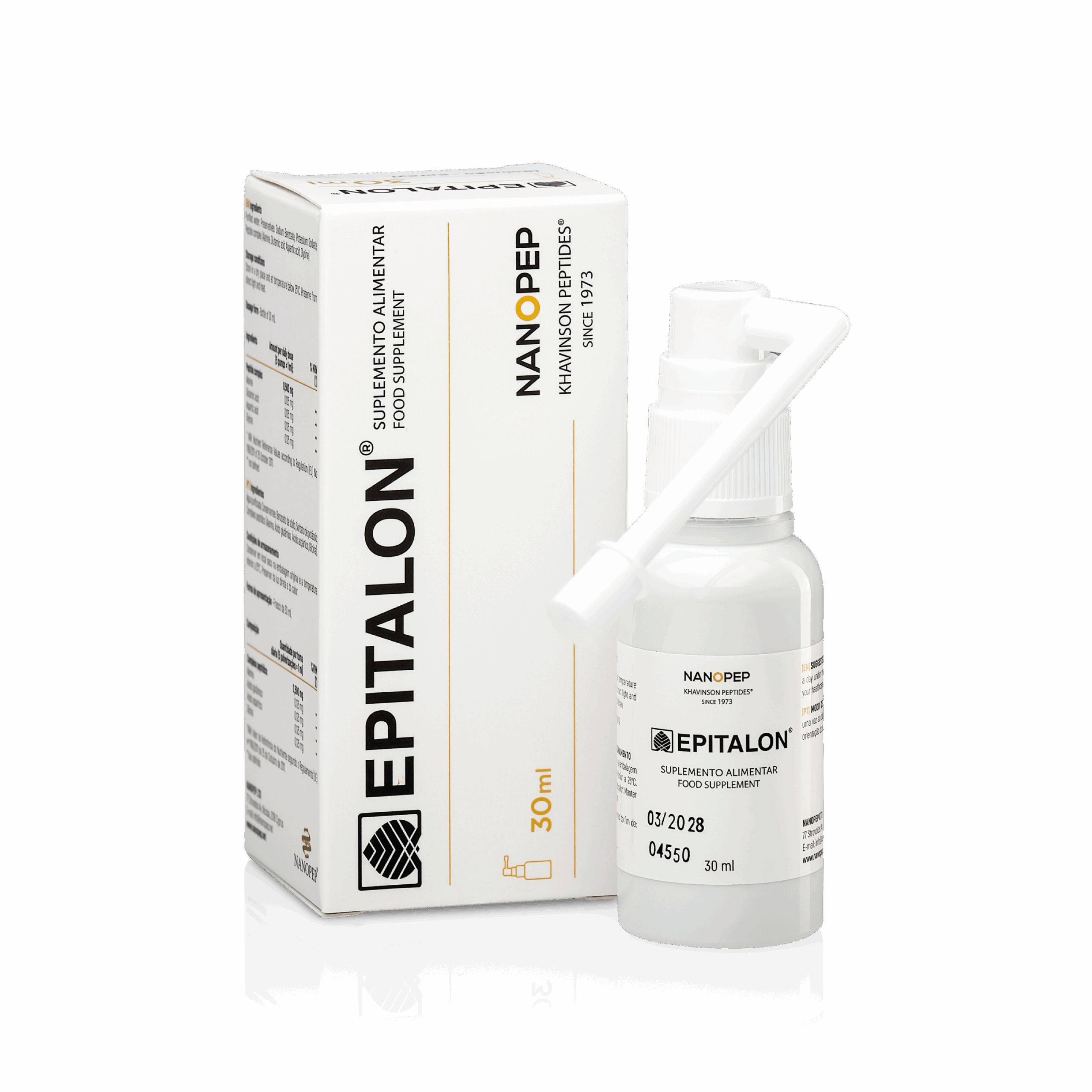


Epitalon Peptide Benefits for Sleep, Longevity, and Cellular Balance
Read
How Hormones Change During Menopause
Read
Hormonal Changes During Pregnancy: What Happens and Why
Read
KHAVINSON PEPTIDES® TECHNOLOGY AND NANOPEP®
Read
Pregnancy, the Postpartum Period, and Menopause
Read
Vision: How It Works and Visual Acuity
Read


