


Published: 07.07.2026
Updated: 07.09.2026
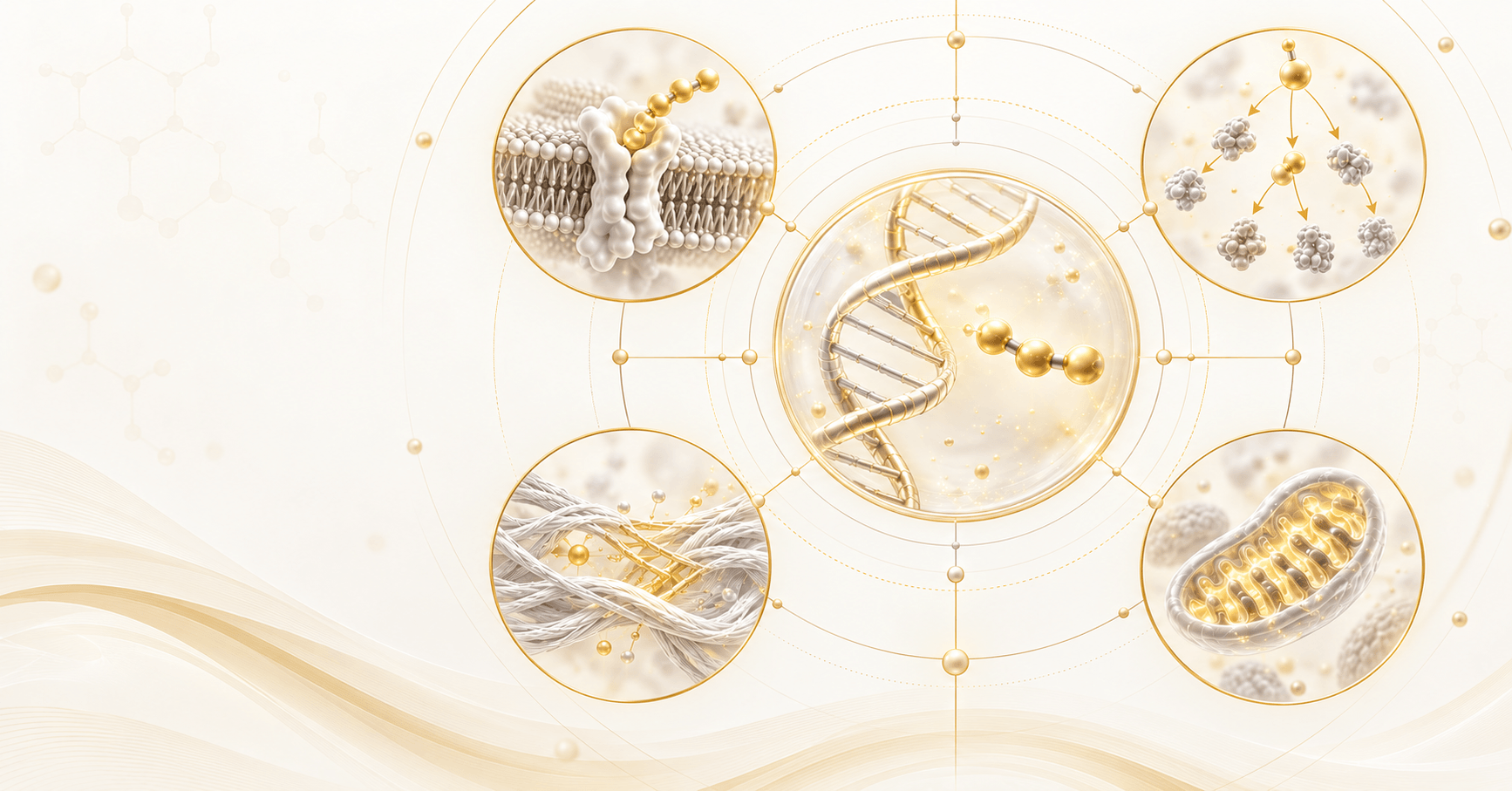
Today, the word “peptide” is used for very different things: prescription GLP-1 drugs, gym-related research peptides, tissue-repair compounds, cosmetic peptides, and short peptide bioregulators. This creates confusion because these compounds do not work the same way.
Peptides containing 2–100 amino acids differ greatly from each other. They support a range of processes in the body according to their biological properties, such as antioxidant, anti-inflammatory, antimicrobial, antibacterial, anticarcinogenic, and immunoregulatory.
Khavinson peptides are a class that stands out from the crowd, being neither hormones nor stimulants of the endocrine system. They are involved in cellular regulation and gently, gradually support normal cellular processes. In the article, we are going to consider different types of peptides and their functions, which help readers understand the uniqueness of Khavinson peptides used in Nanopep products.
 Peptides are molecules of a unique structure. They consist of varying numbers of amino acids that are linked by a special bond known as a peptide bond. Being smaller analogues of proteins that are made of over 50 amino acids, peptides are more easily absorbed and delivered via the bloodstream to various organs, communicating relevant signals.
Peptides represent a diverse class of molecules with biological activity that greatly varies. They are involved in regulating numerous vital processes throughout the body. For instance, AEDG (Epitalon) and EDR (Pinealon) in the formula of the brain-support supplement STRESSFOLL from Nanopep help regulate functions of the central nervous system.
Thus, depending on structural peculiarities and size, they have varied mechanisms of action. Ultra-short Khavinson peptides influence gene expression and protein synthesis, interacting directly with DNA, to gently support normal cellular regulation. Many other peptides have the classical receptor-mediated action for strong stimulation of a human organism. For instance, GLP-1 acts as a signal to hormones. Growth hormone secretagogues stimulate a hormonal axis. BPC-157 and TB-500 restore tissues.
MOA explains how peptides interact with the human body to produce their intended effect. That is why understanding the mechanism is essential for peptide classification. We do not see much sense in discussing different administrative ways. They affect the bioavailability and also serve as the basis for breaking down peptides into types, such as injectable, sublingual, oral capsule, spray, or topical in cosmetics, but these categories do not define the purpose of the product.
However, to highlight the efficacy and safety of Khavinson peptide bioregulators, we want to focus on how they differ from other popular peptides used for fitness and medical purposes. For comparison, the classification of peptides based on existing mechanisms of action is the most practical and effective approach. The contrast highlights the distinctive characteristics of Khavinson peptides that unlock specific DNA promoter sites and support cell regeneration.
This first type includes GLP-1 agonists, such as semaglutide, liraglutide, and tirzepatide, that are approved for obesity. These peptides mimic the GLP-1 hormone to regulate blood sugar by stimulating insulin secretion. They suppress appetite and slow digestion, producing a feeling of fullness.
The MOA: receptor-based peptides bind to specific receptors and trigger a cascade of biological responses.
These therapeutics based on synthetically modified peptides provide a highly efficient pharmacological signal, being more drugs than mild bioregulators. They have over 30 amino acids in the chain and should not be confused with ultra-short peptide bioregulators.
This group includes sermorelin, tesamorelin, CJC-1295, ipamorelin, and hexarelin, which act as biological messengers that influence major endocrine pathways, thereby increasing endocrine activity. The list should not include MK-677, which is a small molecule but not a peptide.
The MOA: They stimulate the hypothalamus–pituitary–GH–IGF-1 axis signaling glands when they should release hormones.
Hormonal axis peptides provide endocrine stimulation, affecting numerous systemic processes. This interference completely differs from gentle peptide bioregulation, which does not force aggressive changes.
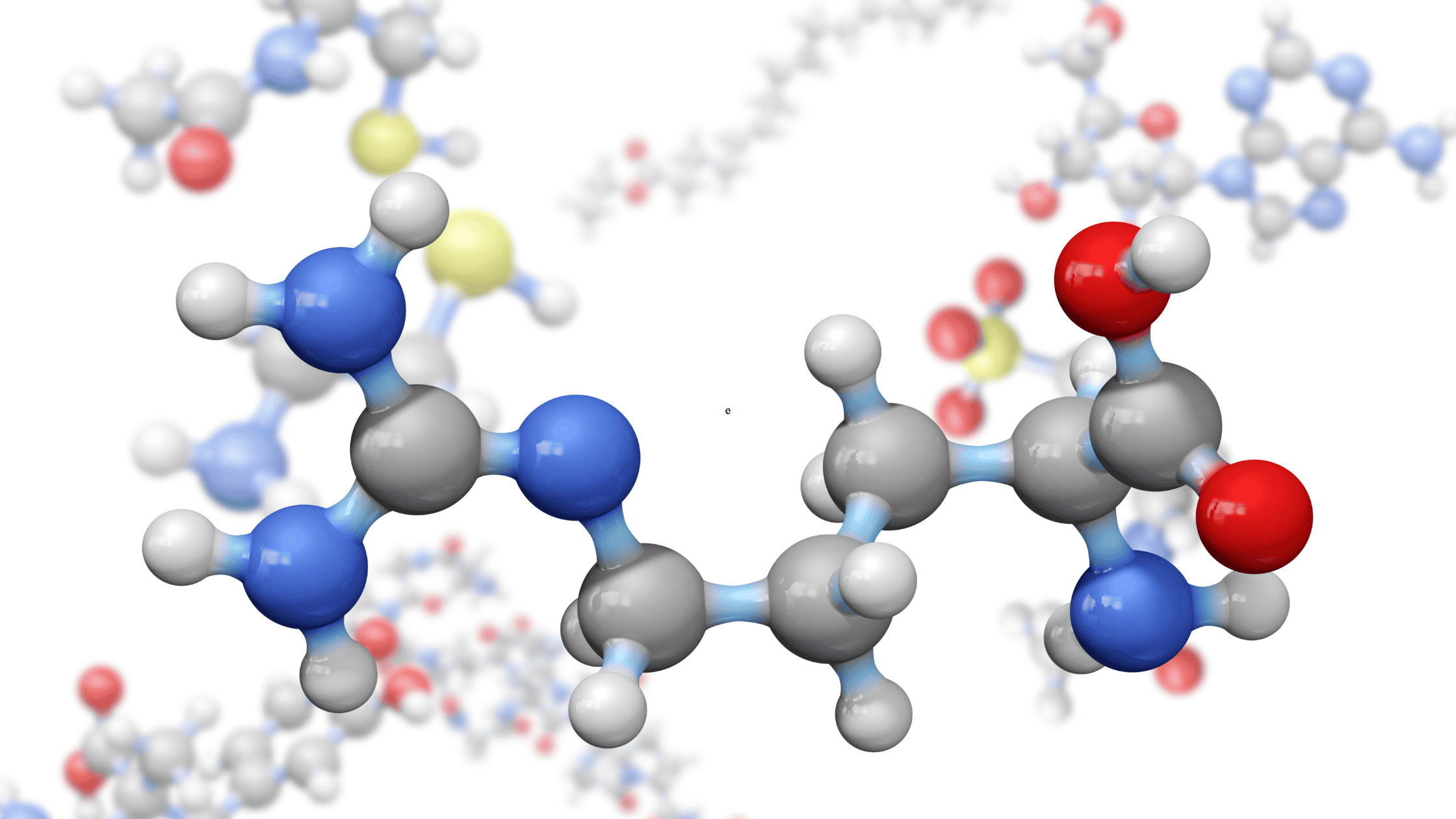 Among neuropeptides, we’d highlight Melanotan II, PT-141 / bremelanotide, used by neurons for communication between each other. Acting as neuromodulators, they regulate the nervous system.
The MOA: neuro-signaling peptides bind to melanocortin receptors found on melanocytes, immune cells, glial cells in the central nervous system, metabolic and peripheral tissues, and in the brain. Thus, they may impact skin pigmentation and neural signaling processes.
This action is far from fine-tuning and cannot be considered bioregulation.
Such peptides as BPC-157, TB-500 / thymosin beta-4, and, to some extent, GHK-Cu support the body’s natural regenerative processes. They can accelerate the repair of tendons and muscle fibers, reduce inflammation, improve skin elasticity, enhance gastrointestinal function, and boost tissue remodeling.
The MOA: They instruct cells on how to heal.
This group of peptides can be referred to as “tissue repairers.” They neither stimulate the endocrine system nor act like Khavinson bioregulators. Instead, they stimulate the body’s cells to regenerate when they are damaged because of stress, inflammation, or other effects.
MOTS-c is a short chain of amino acids that regulates energy metabolism, AMPK signalling, mitochondrial adaptation to stress, and metabolic flexibility.
The MOA: They act as signaling molecules and metabolic regulators, promoting insulin sensitivity and more.
Metabolic and mitochondrial peptides stimulate cellular metabolism. However, they do not act as Khavinson cellular regulatory peptides because they affect signaling pathways, oxidative phosphorylation, or mitochondrial biogenesis and communicate directly with mitochondrial DNA, mitochondrial membranes, or enzymes, rather than the DNA in the cell’s nucleus.
Opposite to the above peptide categories, peptide bioregulators are neither hormones nor stimulants of the endocrine system, nor receptor agonists. They are ultra-short chains of amino acids (usually 2 to 7 amino acids long). Initially, they were studied as signaling molecules that can be used for cellular fine-tuning to influence which genes are expressed, to stimulate the body to synthesize its own proteins, and to maintain normal tissue function.
The category includes Epitalon, Pinealon, Vilon, Vesugen, Livagen, Thymalin/Thymogen-like peptides, and other short regulatory peptides, which are based on the concept of the scientific school of Professor Vladimir Khavinson.
The MOA: Instead of a rough stimulation of a single hormonal pathway, they gently regulate cellular processes impacting gene expression, protein synthesis, interaction with DNA/chromatin, and the maintenance of tissue function.
These cellular regulation peptides do not replace hormones, do not directly stimulate GH/IGF-1, and do not act as GLP-1 agonists. Mainly, they regulate normal cellular and tissue functions. For instance, EPITIDE from Nanopep supports healthy aging, regulates biological rhythm, and ensures long-term cellular balance.
The closer a peptide is to a target, whether it is a specific receptor or cell nucleus, the faster, more pronounced, and more measurable the effect is usually. Being very small in size compared with other peptides, peptide bioregulators penetrate the cell nucleus to bind directly with DNA and promote optimal protein synthesis. This is the key difference between Khavinson peptides and all types of peptides. Standard signaling peptides are too large and cannot penetrate the lipid membrane of a cell. They can interact only with surface cell receptors and trigger broad systemic effects. As a reminder, to trigger physiological changes in the body:
 GLP-1 agonists initiate direct metabolic receptor signals.
Thus, Khavinson peptide bioregulators bind to the DNA of cells of a specific organ and trigger the synthesis of tissue-specific proteins, which repair the damaged tissues of this organ at a cellular level. Each bioregulator is intended to target only a specific organ or tissue. For instance, Nanopep EPITALON Oral Spray affects the pineal gland to trigger the production of melatonin to support normal circadian rhythms.
| Category | Examples | MOA | Key effect | Distinguishing feature | Application |
|---|---|---|---|---|---|
| Receptor-based | Semaglutide, liraglutide, tirzepatide | Receptor → physiological cascade | Appetite, satiety, blood glucose levels, metabolic regulation | A strong drug signal | Pharmacotherapy (not a gentle bioregulation) |
| Hormonal axis | Sermorelin, tesamorelin, CJC-1295, ipamorelin, hexarelin | Hypothalamus/pituitary gland
→ GH/IGF-1 |
Stimulation of the endocrine axis | Affects the endocrine system | Stimulation of the endocrine system rather than cellular fine-tuning |
| Melanocortin / neuro-signaling | Melanotan II, PT-141 | Melanocortin receptors and the central nervous system | Pigmentation, libido, and neurological effects | Neuroreceptor signaling | A distinct receptor-mediated activation, rather than bioregulation |
| Regenerative and repair | BPC-157, TB-500, GHK-Cu | Tissue, matrix, microcirculation, inflammation | Tissue repair, skin, tendons, gastrointestinal tract | Tissue “repairers” | They focus on tissue regeneration, but this is not part of the Khavinson school’s approach. |
| Metabolic and mitochondrial | MOTS-c | Mitochondria, AMP-activated protein kinase, stress adaptation | Cell energy, metabolic flexibility | Cellular metabolism | Cellular energetics |
| Khavinson peptide bioregulators / Nanopep | Epitalon, Pinealon, Vilon, Vesugen, Livagen, and more. | Gene expression, protein synthesis, tissue function | Soft cellular regulation and support for normal tissue function | Ultra-short peptide regulators | Peptide for cellular fine-tuning. They are not hormones, stimulants, or strong receptor signals. |
Due to highly specific peptide functions, understanding peptide mechanisms of action is essential for maximizing benefits while reducing the risk of off-target side effects. Using mechanisms, manufacturers of products can target specific receptors or tissues to reach the goal. Only in this case do treatments or supplements provide consistent, precise, and predictable outcomes.
Understanding of how peptides work allows avoiding confusing Khavinson peptide bioregulators with GLP-1 preparations, GH secretagogues, Melanotan, BPC-157, or other peptides. They regulate cellular activity, affecting gene expression, protein synthesis, and the maintenance of tissue function, rather than strongly stimulating receptors or hormonal axes. Nanopep follows this strategy, working exceptionally at tissue and cellular regulation, and offers products with different routes of administration. The brand’s supplements are not hormones to replace hormones or any other medical therapy, and do not provide an external pharmacological signal. They are intended to support the body’s natural self-regulation.


Pineal Gland Function and Regulation of Melatonin Production
Read
Peptide Bioregulators and Circadian Rhythm Regulation in Aging
Read
Epithalamin vs Epitalon: What Is the Difference?
Read
The Difference Between Peptides and Polypeptides in Biological Regulation
Read
Epitalon Peptide Benefits for Sleep, Longevity, and Cellular Balance
Read
What Is Good for Eye Health and Vision?
Read


