


Published: 30.09.2026
Updated: 08.10.2026

Aging affects not only tissues but also the timing of daily bodily processes. With age, sleep, hormone release, metabolism, and tissue maintenance may fall out of sync, prompting greater interest in peptide bioregulators that interact with biological timing. Circadian biology is well established. Evidence for particular peptide interventions, however, remains under development. Laboratory and human studies may point to possible mechanisms, but they do not by themselves demonstrate anti-aging effects or clinical benefit.
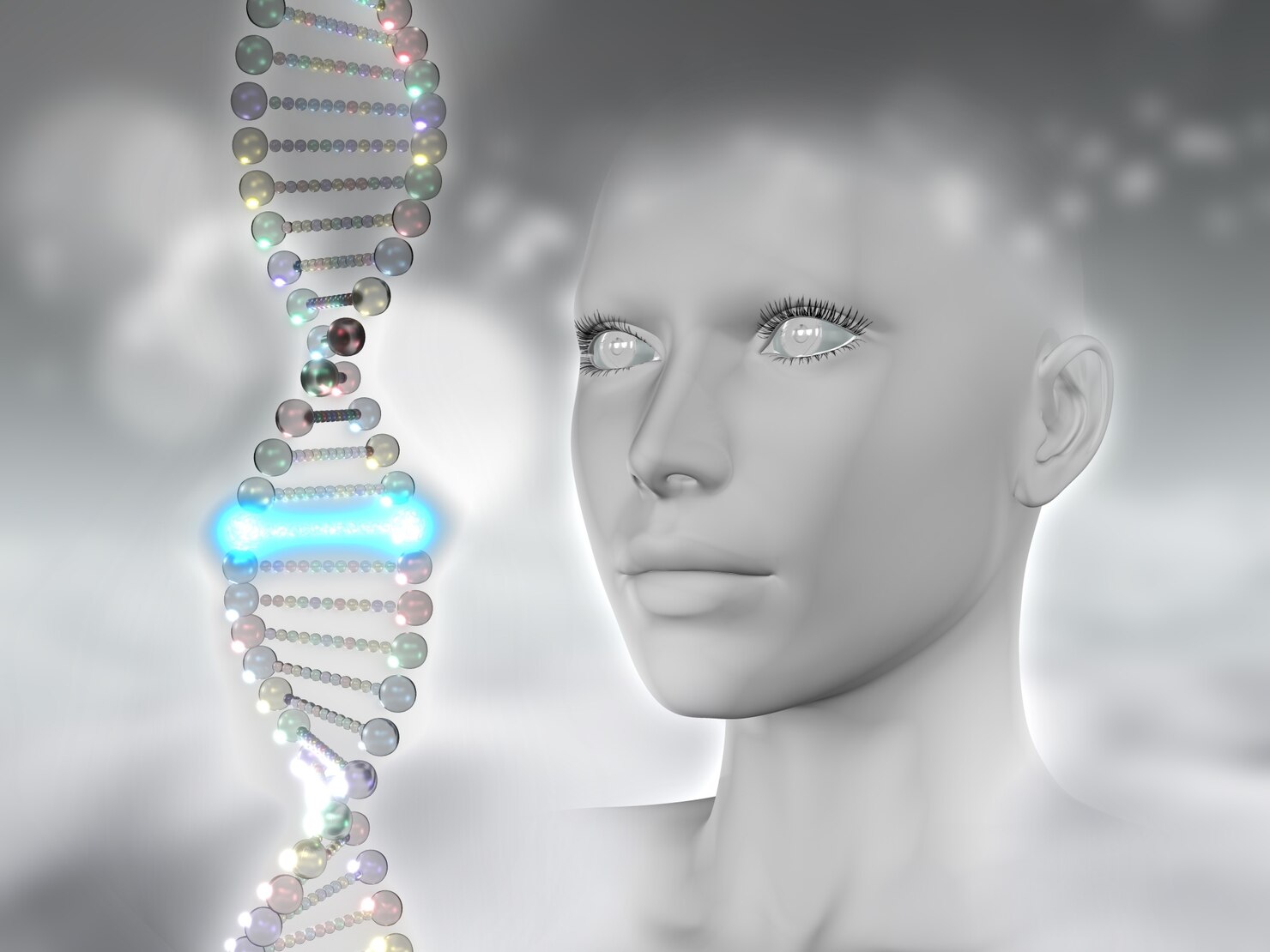 Peptide bioregulators are short chains of amino acids that researchers study for their potential effects on signaling and tissue function. Their interactions may involve receptors, proteins, gene-expression pathways, and other systems linked to cellular adaptation.
Within aging research, these peptides are examined in connection with regeneration, endocrine activity, stress responses, and tissue homeostasis. Pineal-derived and synthetic peptides have drawn particular interest, partly because the pineal gland is involved in melatonin signaling and biological timing. Peptides aren’t interchangeable; their structure, origin, dosage, delivery method, and supporting evidence can vary significantly.
A circadian rhythm is an internally generated cycle of about 24 hours that synchronizes the body’s physiology with the day-night environment. Light is the strongest cue, but meal timing and activity also have an effect. Its practical importance can be seen in daily changes in alertness, temperature, cortisol, digestion, and endocrine activity. These predictable shifts allow the body to prepare for the differing demands of day and night.
Circadian rhythm refers to a system shaped by the brain’s central timer as well as peripheral clocks distributed across organs and tissues. As research in this field has expanded, so has interest in how Epitalon may relate to biological timing.
When circadian rhythms and peptides are discussed together, the biological clock itself needs to be distinguished from the molecules that may affect its activity. Researchers are investigating whether peptides alter endocrine signaling, metabolism, or pineal function. Epitalon, the tetrapeptide Ala-Glu-Asp-Gly, is not the same as Epithalamin, a pineal peptide complex. Findings about one should not automatically be applied to the other.
Peptides may act through receptor-mediated signaling or intracellular pathways in cells. Studies have examined gene expression, protein synthesis, telomerase-related activity, and tissue responses. A laboratory effect can identify a plausible mechanism, but it does not by itself establish longer lifespan, disease prevention, or a clinically meaningful result.
Biological regulation depends on neural, endocrine, metabolic, immune, and environmental signals. Peptide bioregulators are one possible influence within this network.
 As people age, their circadian rhythms tend to shift toward earlier sleep and waking times, with weaker rhythmic amplitude, more fragmented rest, and changes in melatonin or cortisol patterns. How pronounced these changes are depends on health, light exposure, medication, and lifestyle.
The connection between circadian rhythm and aging works in both directions. Aging can reduce the body’s ability to keep its clocks synchronized, while long-term disruption may influence metabolic, inflammatory, cognitive, and repair pathways. To understand how age and experience change circadian rhythms, it helps to consider exposure across the lifespan.
Shift work, irregular meals, light at night, inactivity, and chronic illness may reshape daily patterns in addition to the effects of intrinsic aging. Aging therefore does not produce one universal circadian pattern. Chronotype, environment, disease burden, and behavior can create substantial differences between people who are the same age.
Feedback loops involving the CLOCK, BMAL1, PER, and CRY proteins govern the molecular clock. By switching specific genes on at set times, they connect the day-night cycle with metabolism and tissue maintenance. They also shape the daily release of hormones involved in stress, metabolism, and rest. Endocrine timing links the central circadian system with organs throughout the body.
At the same time, AMPK, mTOR, sirtuins, and NAD+-dependent signaling pathways interact with the circadian clock. That helps explain why geroscience researchers study circadian rhythms in connection with aging.
Circadian organization helps coordinate:
Persistent desynchronization is not a single cause of aging, but it can add stress to systems with declining resilience.
Circadian timing coordinates energy use with periods of activity, eating, and fasting. When schedules become irregular, glucose regulation and lipid metabolism may be disturbed, connecting the timing of everyday routines to metabolic health. Other processes shift over the course of the day too, including DNA repair, antioxidant defenses, autophagy, and protein-quality control. Aging reduces the efficiency of these functions. Improved alignment could help, but it would not reverse aging.
 Scientific interest in how pineal peptides regulate circadian rhythms has focused largely on melatonin pathways and cellular signaling. Earlier studies of Epithalamin, along with more recent research on AEDG, have reported changes in melatonin-related measures or circadian parameters. The evidence, however, remains limited.
The hormone melatonin is a nighttime signal that communicates darkness to the body. Its amount or timing can change with age, although sleep problems may also result from medications, pain, sleep apnea, mood disorders, or environmental factors.
Nanopep’sEPITALON® Spray contains synthetic AEDG and is marketed as a dietary supplement. It should not be presented as a treatment for age-related or circadian disorders.
Peptide research has examined telomere biology and gene expression. A 2025 cell study found that Epitalon increased telomere length in cultured human cell lines through telomerase-related mechanisms, but cell-culture findings cannot establish increased human longevity. Biomarkers are not clinical outcomes. Changes in telomerase or gene expression do not prove longer life or disease prevention.
Stable daily timing supports alertness and recovery. Disruption can contribute to fatigue or nighttime waking, although these symptoms have many causes. EPITIDE® contains Epithalamin, a naturally derived pineal peptide complex, and is marketed as a dietary supplement. It is not a substitute for evaluation of persistent sleep or endocrine problems.
Current evidence includes laboratory, animal, clinical, and mechanistic research. Larger independent human trials are still needed to define doses, responder groups, safety, and meaningful outcomes.
Peptides are increasingly discussed in longevity-focused medicine, but experimental geroscience should be distinguished from established therapy. This is especially important when a product is sold as a dietary supplement rather than an approved treatment.
Consumers can review peptide bioregulator products by composition and intended use. Medical history, medication, pregnancy or breastfeeding, and professional guidance also matter.
Future studies may examine effects on rhythm amplitude, phase, melatonin timing, sleep architecture, metabolism, and recovery. They could also ask whether the time of dosing changes the response. Chronobiological research matters here because biological responses may differ according to when treatment is administered. Trials pairing biochemical markers with patient-centered outcomes may offer evidence that is more useful in practice.
Key limitations are the small number of preclinical or otherwise limited studies, differences in formulations and doses, reliance on surrogate biomarkers, and incomplete information about long-term safety. Supplement quality and regulatory status can also differ across markets. Future research requires standardized products, larger randomized trials, adverse-event reporting, and longer follow-up. Studies also separate peptide effects from changes in light exposure, diet, exercise, or sleep schedules.
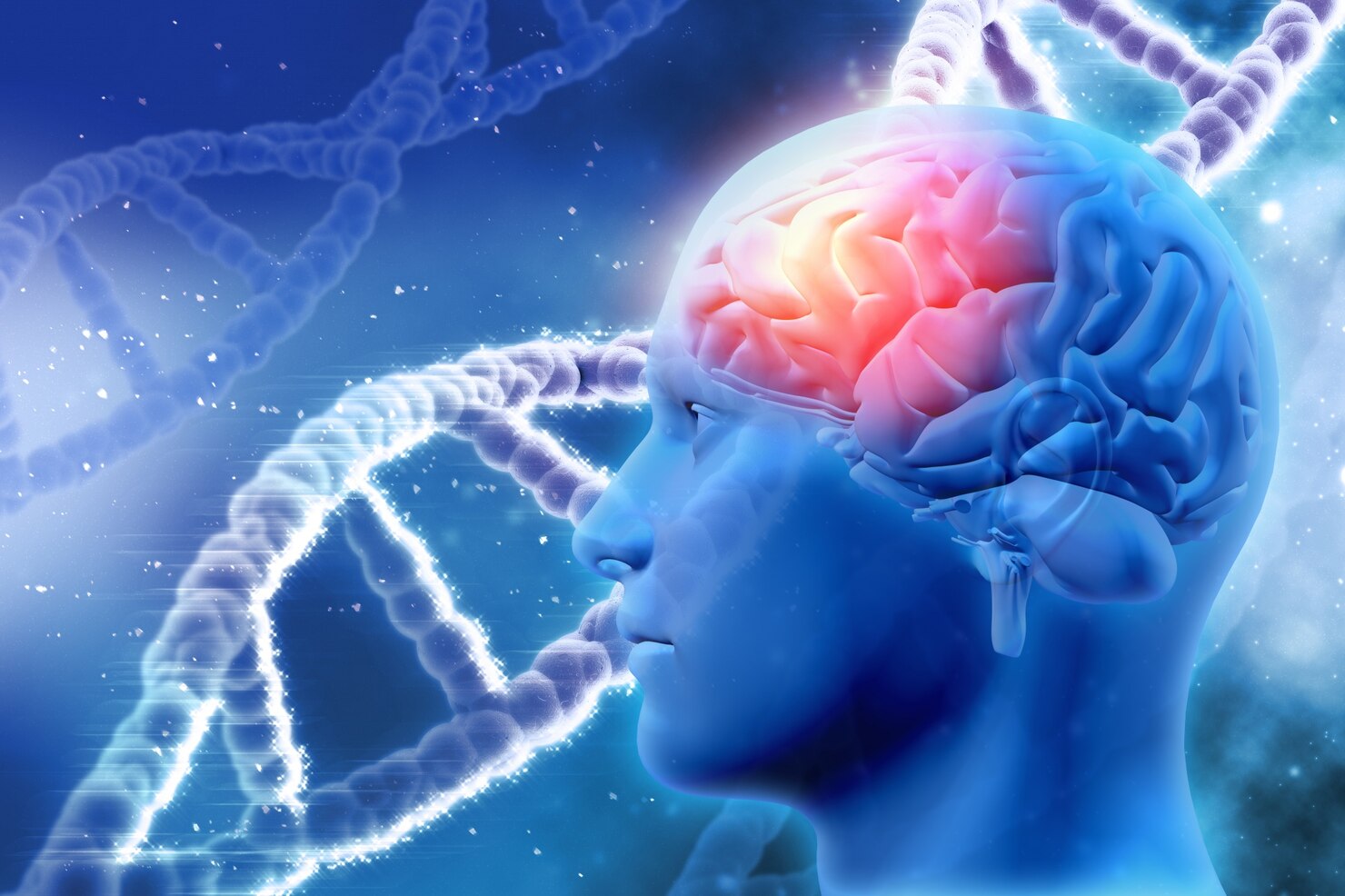 Circadian systems coordinate endocrine signaling, metabolism, cellular maintenance, and recovery, but their resilience changes across the lifespan. Peptide bioregulators are a relatively new research area. Studies of pineal peptides and AEDG suggest possible effects on melatonin, gene expression, telomerase-related mechanisms, and biological timing; still, human evidence does not yet establish lasting anti-aging effects. For consumers, peptides remain an emerging form of support, not a substitute for medical care, regular sleep-wake timing, daytime light, physical activity, or treatment of underlying conditions.


Pineal Gland Function and Regulation of Melatonin Production
Read
Epithalamin vs Epitalon: What Is the Difference?
Read
Types of Peptides Explained: How Khavinson Peptide Bioregulators Differ from GLP-1, BPC-157, TB-500 and Other Peptides
Read
The Difference Between Peptides and Polypeptides in Biological Regulation
Read
Epitalon Peptide Benefits for Sleep, Longevity, and Cellular Balance
Read
What Is Good for Eye Health and Vision?
Read


