


Published: 30.09.2026
Updated: 08.10.2026

The pineal gland, a small endocrine organ, converts information about the light–dark cycle into a hormonal message. It is most widely recognized for producing melatonin, which helps regulate sleep timing, circadian rhythms, and nighttime physiology. Calling melatonin a “sleep hormone” is common, but its role is not limited to sleep. Studying how it is regulated can also shed light on sleep timing and circadian health.
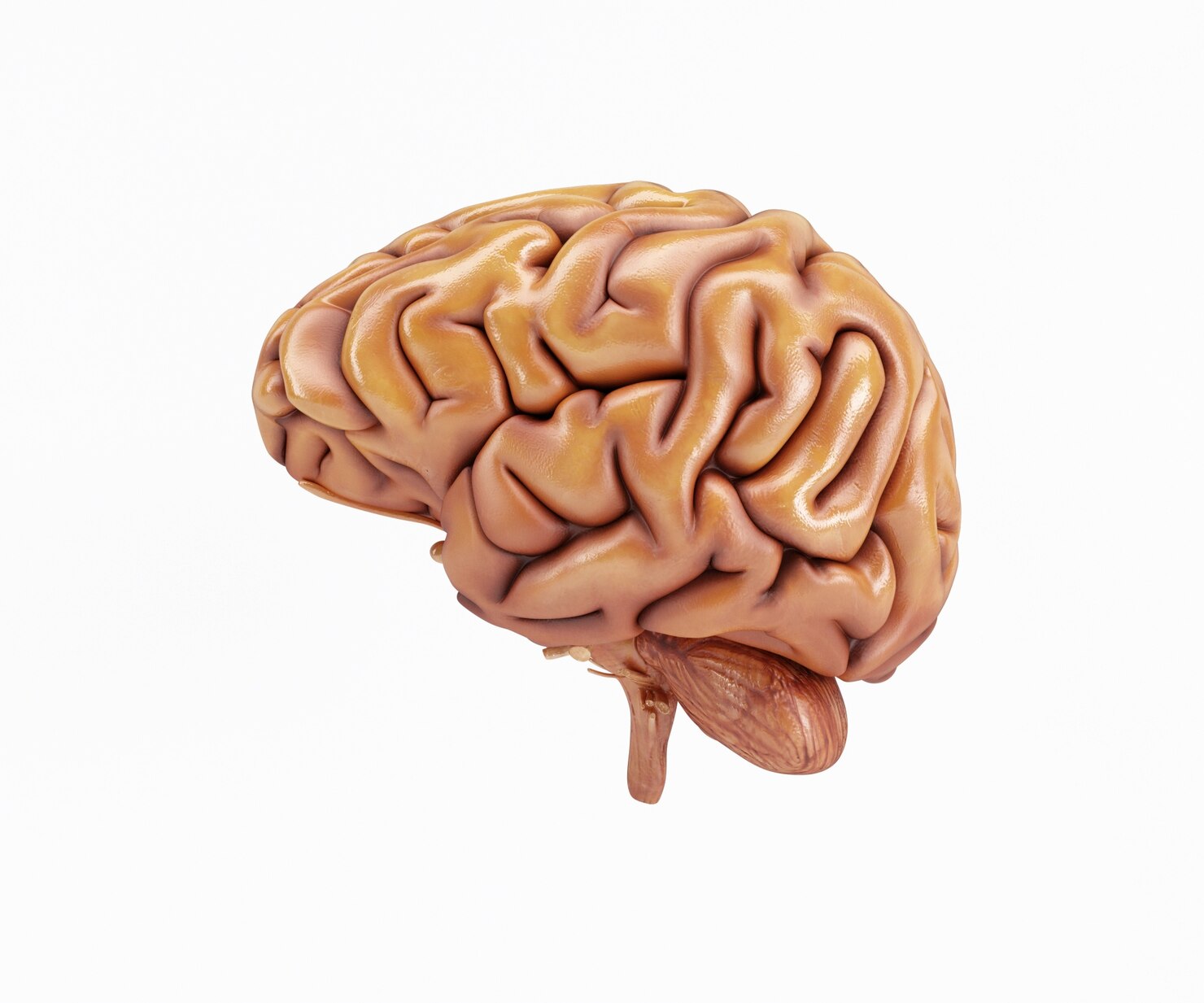 The pineal gland is a small neuroendocrine structure near the center of the brain. It contains specialized cells known as pinealocytes, which synthesize melatonin and release it primarily in darkness. Does the pineal gland produce melatonin? Yes, it is the main source of circulating melatonin in humans, although other tissues make smaller amounts for local signaling. Signals from light-sensitive cells in the retina reach the suprachiasmatic nucleus (SCN), the brain’s central circadian pacemaker; from there, neural signals travel along the pathway that regulates the pineal gland.
Melatonin is a chemical signal of biological night. Its evening rise helps synchronize sleep-wake timing and other processes that follow a daily rhythm. The melatonin produced by pineal gland activity does more than promote sleepiness. Its timing helps the body shift toward nighttime physiology.
For a broader overview of melatonin and its physiological functions, it is useful to distinguish natural hormone production from melatonin taken as a supplement. Dose and timing can change the physiological effect.
The pineal gland lies in the midline of the brain near the roof of the third ventricle. It is highly vascular and primarily composed of pinealocytes, the cells responsible for melatonin synthesis.
Unlike glands with relatively stable output, the pineal gland is strongly rhythmic. Pineal gland melatonin secretion follows the circadian system and creates a predictable hormonal pattern across the 24-hour day. This signal interacts with other daily rhythms, including body temperature, cortisol, activity, and sleep.
Retinal light signals reach the SCN and then pass through hypothalamic and sympathetic pathways to the pineal gland. In darkness, norepinephrine activates molecular steps that promote melatonin synthesis.
To understand how the pineal gland produces melatonin, follow the biochemical sequence. Melatonin is synthesized from tryptophan through intermediates that include serotonin and N-acetylserotonin.
A key enzyme is arylalkylamine N-acetyltransferase (AANAT), which converts serotonin to N-acetylserotonin. Acetylserotonin O-methyltransferase then converts this intermediate to melatonin. Because the pathway is circadian-controlled, nighttime light can rapidly change melatonin production.
 Light is the strongest environmental regulator of pineal melatonin. Darkness permits the normal nighttime rise, while sufficiently bright or appropriately timed light can suppress secretion and shift circadian timing.
To understand what stimulates the pineal gland to release melatonin, the immediate physiological trigger is nighttime sympathetic signaling, especially norepinephrine acting on pinealocytes. Darkness supports this process indirectly through the retina-SCN pathway.
Factors that can modify melatonin timing or output include:
Reducing bright light before bed and maintaining a regular schedule can support circadian alignment. Persistent sleep problems may still require clinical evaluation.
Under a stable light-dark schedule, melatonin is usually low during daylight, rises in the evening, stays elevated through much of the biological night, and falls toward morning. The exact timing varies by chronotype, age, light exposure, and daily schedule. Researchers often use dim-light melatonin onset as a marker of circadian phase. Nighttime light can suppress melatonin and shift the internal clock.
Melatonin primarily signals biological night and can facilitate sleep when circadian timing is appropriate. Its effects depend strongly on when the signal occurs. Sleep research and peptide-based support reflect wider interest in nighttime regulation. Persistent sleep problems, however, may have causes that require medical assessment.
Experimental research has identified antioxidant and cell-protective actions of melatonin. Laboratory effects do not prove that melatonin supplements prevent chronic disease.
Melatonin interacts with immune and inflammatory signaling, but these effects are complex. Calling it an “immune booster” oversimplifies its role.
Melatonin is studied in relation to oxidative stress, circadian stability, mitochondrial function, and age-associated sleep changes. These mechanisms are relevant to aging research but do not establish melatonin as an anti-aging treatment.
Healthy aging does not produce the same melatonin change in every person. Evidence suggests that the nighttime peak may decline in older adults even when total 24-hour production does not consistently fall.
Abnormal melatonin timing can occur when the circadian system is misaligned, or the neural pathway to the pineal gland is disrupted. Shift work, jet lag, blindness, neurological disease, some medications, and structural damage may alter normal secretion.
Circadian sleep-wake disorders are not defined simply by “low melatonin.” Diagnosis considers internal timing, sleep behavior, symptoms, and environmental schedules. Structural pineal disorders are uncommon, but severe or persistent symptoms require medical evaluation.
 The most direct way to support physiological melatonin timing is to strengthen the contrast between day and night. Daytime light, regular wake times, physical activity, and less bright light late in the evening can reinforce circadian signals.
People exploring peptide and bioregulator products should consider them as part of a broader sleep and health strategy. Different products can have different compositions and intended uses, so they should not be treated as interchangeable. A dark sleeping environment and a consistent schedule remain practical foundations of circadian hygiene.
Melatonin has an established role in circadian timing, but therapeutic usefulness depends on the condition, dose, formulation, and timing. Evidence is stronger for some circadian rhythm disorders and jet lag than for routine treatment of chronic insomnia. Research also explores peptides that may interact with pineal and circadian pathways. EPITALON oral spray is one peptide-based product, though there is not enough clinical evidence to assume that products of this kind treat insomnia, endocrine disease, or circadian disorders.
For most adults, melatonin supplements appear safe when used short-term, but evidence on their long-term safety is still limited. They may cause drowsiness, headaches, dizziness, or nausea, and can interact with medicines. Anyone taking anticoagulants or medicines for epilepsy, along with people who are pregnant or breastfeeding, should discuss melatonin use with a healthcare professional.
The pineal gland converts environmental darkness into a timed hormonal message. By producing melatonin in a rhythmic pattern, it helps mark the biological night and coordinate sleep-wake timing along with other circadian processes. Light is the strongest external influence, but age, daily schedules, medications, illness, and lifestyle can all shift the pattern. Consistent cues between day and night therefore provide a practical foundation for keeping circadian rhythms healthy. Interventions involving melatonin are still being studied, and taking more melatonin does not automatically produce better results.


Peptide Bioregulators and Circadian Rhythm Regulation in Aging
Read
Epithalamin vs Epitalon: What Is the Difference?
Read
Types of Peptides Explained: How Khavinson Peptide Bioregulators Differ from GLP-1, BPC-157, TB-500 and Other Peptides
Read
The Difference Between Peptides and Polypeptides in Biological Regulation
Read
Epitalon Peptide Benefits for Sleep, Longevity, and Cellular Balance
Read
What Is Good for Eye Health and Vision?
Read


